Listing ID MW-1001
From Oct
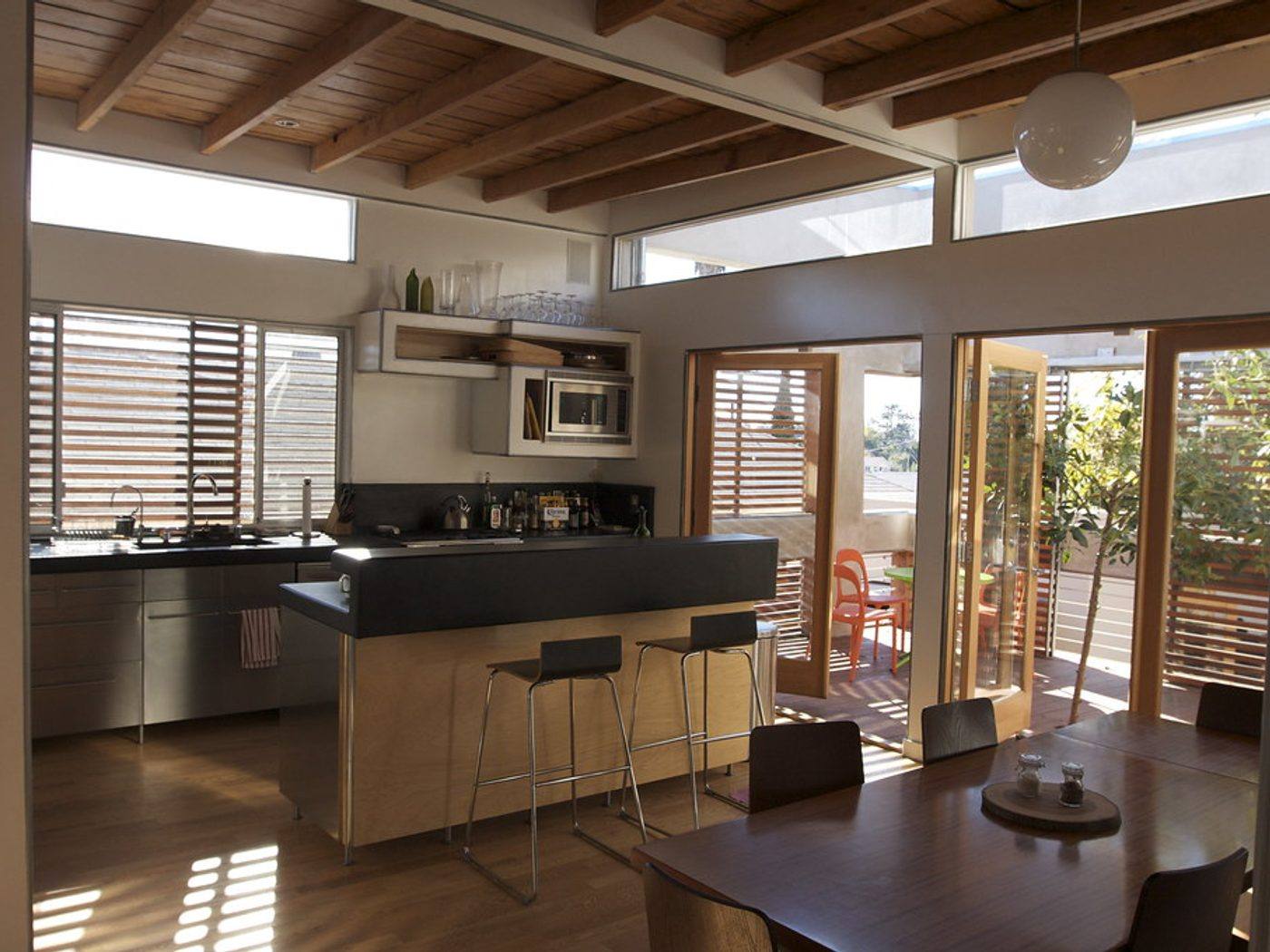
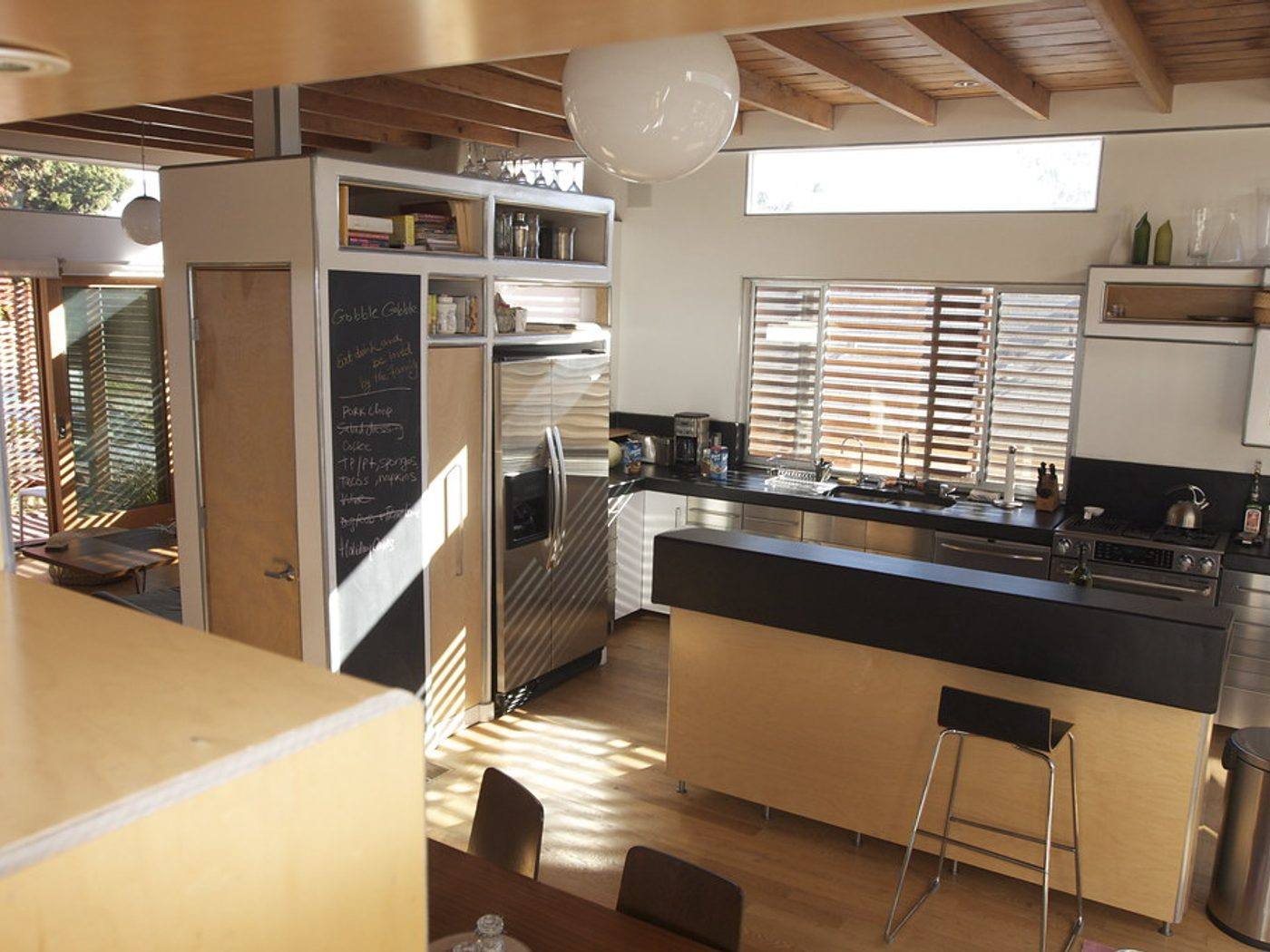
1 / 9
Mallorca · 1–10 months
City life, coast and easy connections: find seasonal rentals in Palma by the month.

In many Palma neighbourhoods, everyday life can work without a car. Before choosing a seasonal rental, check the route from the actual address to work, shops and other important places. Walking distances and bus connections vary by neighbourhood.
The city splits into very different neighbourhoods. Between the Old Town, Santa Catalina, Portixol and the quiet residential slopes there are worlds of difference — in atmosphere and in rent. Where you end up shapes your daily life more than the square metres do.
The Old Town around the cathedral and La Lonja is historic Palma: lanes, courtyards, everything on foot. In return the flats are often old, sound carries, and lifts or parking spaces are rare.
Santa Catalina was once the fishermen's quarter and is now the most sought-after corner of the city — market hall, cafés, short distances. It is accordingly the most expensive and the quickest to go.
Portixol and Es Molinar sit on the water east of the harbour, with a seafront promenade and a cycle path into town. Quieter than the centre, but well connected.
If you want space and greenery, look at Son Vida, Bonanova or Génova on the slopes. You will need a car there, but you get quiet and usually a terrace or garden. Bons Aires and Blanquerna are the unshowy everyday districts with the best ratio of location to price.
The municipal EMT buses cover the whole city and run into the evening. From the station at Plaça d'Espanya the train goes inland to Inca, sa Pobla and Manacor, and the metro to the university.
The airport is about 20 minutes by bus, fifteen by taxi. That is why Palma works for anyone who needs to fly out regularly during their stay.
Within the city a bicycle is often faster than a car. A continuous cycle path links Portixol, the harbour and the Paseo Marítimo. Conversely, parking in the Old Town is scarce and expensive — if you are bringing a car, check the listing specifically for a space.
Unlike the coastal resorts, Palma changes little between November and March. Restaurants, shops and markets stay open, the cultural programme continues, and the city belongs again to the people who live in it.
That makes Palma the obvious choice for winterers who do not want to sit in an empty resort. Daytime temperatures usually sit between 15 and 18 degrees; what matters is less the outside temperature than the question of heating and windows.
Check the listing for exactly that. Many older flats in the Old Town were built for summer. Air conditioning with a heating function, or electric radiators, make the difference between a comfortable winter and a damp one.
For winter, start searching in August. Many owners decide after the high season whether to let seasonally through the cold months, and by September the good properties are gone.
Between May and September Palma is tightest, because part of the stock is in holiday letting then. For that window, allow three to four months' lead time.
If nothing suitable is online right now, send us your search profile for Palma. We match it against every new property before it goes public.
Free to list. The platform fee arises only at the key handover.
MUVAWAY offers stays of one to ten months. Every tenancy needs a real, documented temporary purpose, such as work, study, renovation, medical treatment or a fixed project, and the agreement records that purpose before signature.
Not necessarily. Check the photos and any available video first. Clarify questions and agree any viewing with the owner.
We check identity and ownership documents before publishing the listing.